Movement archive

Trashwiki

A look back at a collaborative knowledge guide built around reuse, waste reduction and finding practical value in materials others had discarded.

NoteReviewed 14 June 2026
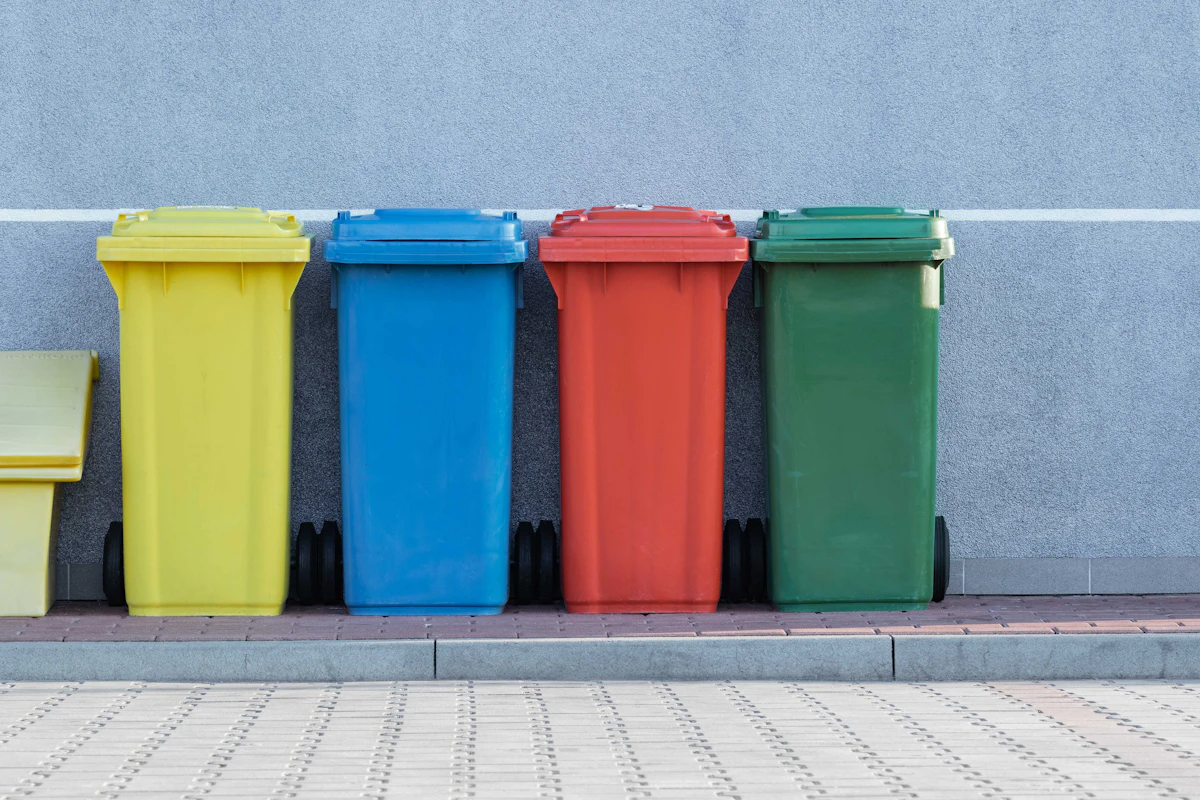
Sorted reusable materials in clearly marked recycling containers
The archive story

A shared guide to giving materials another use

Trashwiki was presented as a collaboratively maintained guide for people interested in recovering usable goods, reducing unnecessary disposal and exchanging practical knowledge.

The project brought together entries created by contributors with hands-on experience. Its subject matter included reuse, repair, redistribution and ways to handle unwanted materials more thoughtfully. At the time documented by this entry, the guide had already developed a substantial collection of community-written pages.

Discarded does not always mean useless.Careful assessment, safe handling and responsible reuse can keep suitable materials in circulation.

Why collaborative knowledge mattered

Local rules, collection systems and reuse options vary. A shared reference could document those differences while allowing readers to learn from practical approaches used elsewhere. This made the resource useful as a starting point rather than a universal set of instructions.

The entry also reflects an early period of online organizing around waste prevention. Community-edited resources helped connect individual habits—such as repairing an object or passing it on—with wider questions about consumption and resource use.

Read with present-day care

Older community guides may contain outdated advice. Anyone handling discarded goods should follow current local regulations, respect private property and prioritize personal and food safety. Food that is contaminated, spoiled or subject to safety concerns should never be consumed.

A responsible approach

Before recovering or reusing an item

Reuse works best when suitability, ownership and local requirements are considered first.

Check permission

Only collect or use materials when access is clearly permitted and local rules allow it.

Assess condition

Look for contamination, damage and other hazards. If safe use is uncertain, do not take the item.

Choose the right route

Reuse, repair, redistribution and correct recycling each suit different materials and conditions.

What’s included

What this Note helps explain

The story is less about one fixed set of instructions and more about how shared knowledge can support a culture of repair, reuse and thoughtful disposal.

  • Community knowledge: practical entries developed by contributors.
  • Waste prevention: extending the useful life of suitable materials.
  • Local context: recognizing that rules and services differ by place.
  • Safety first: avoiding items that may be contaminated or hazardous.
Frequently asked questions

Understanding the archive

What was Trashwiki?

It was described as a collaborative online guide about reuse, waste reduction and recovering value from discarded materials.

Is this page a current handling guide?

No. It is an editorial Note. Current local regulations and authoritative safety guidance should take priority over historical community advice.

Is recovering an item always permitted?

No. Ownership, access and collection rules vary. Permission and applicable local regulations must be checked before taking anything.

Can discarded food be assumed safe?

No. Appearance alone cannot establish safety. Food with uncertain storage, contamination or spoilage risk should not be eaten.

What are safer ways to support reuse?

Repair services, recognized redistribution programs, community exchange schemes and approved recycling facilities offer structured options.

Where can I find related archive entries?

The Movement section brings together additional articles about food systems, waste awareness and community action.