Why is food rejected?
The film examines cosmetic standards, demand for constant variety and the commercial handling of surplus.
Taste The Waste follows food from farms and markets to shops, kitchens and disposal systems, examining the routines that cause edible products to be rejected—and the practical alternatives already taking shape.
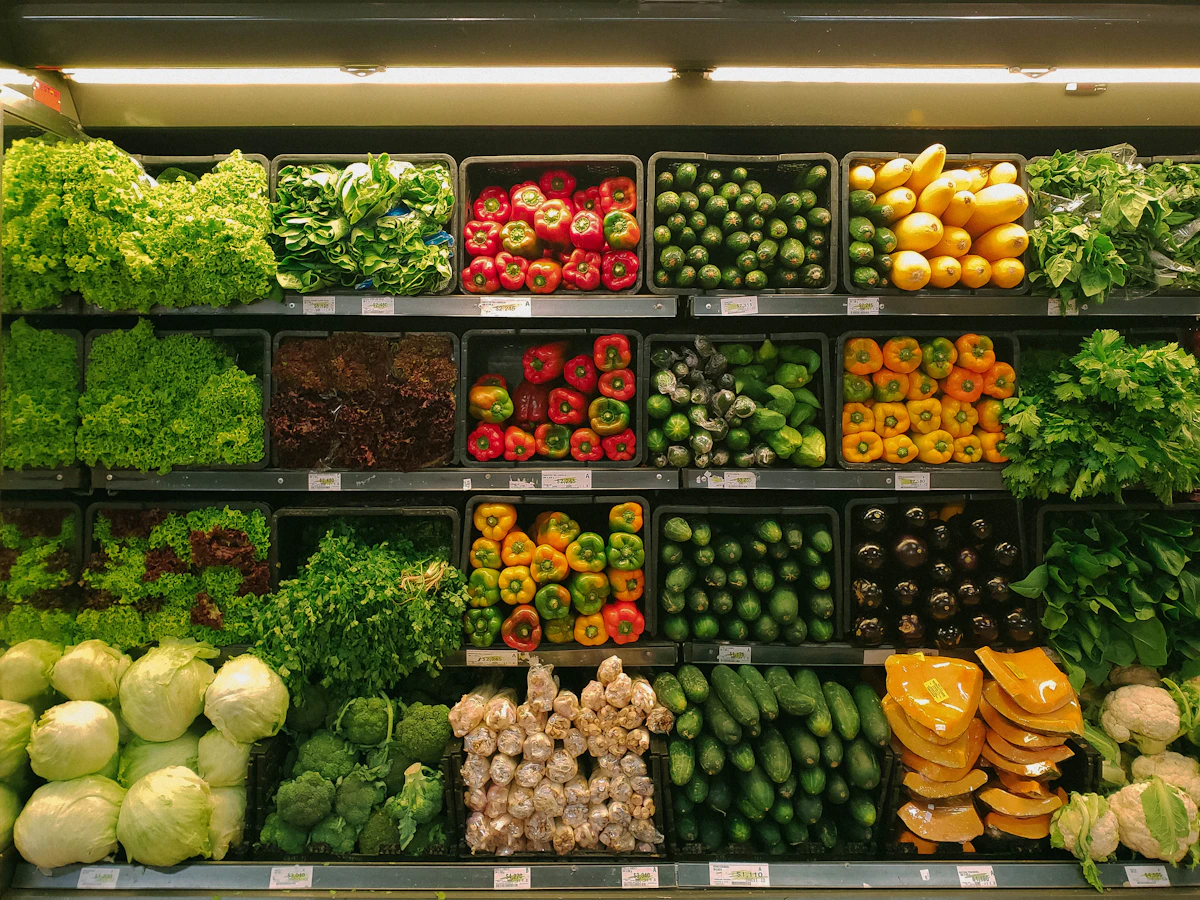
The documentary investigates why usable food is discarded before and after it reaches consumers. It visits farms, wholesale markets, retailers and households in several countries, presenting food waste as a connected supply-chain issue rather than a problem with one simple cause.
Interviews with people working throughout that chain explore how appearance standards, full shelves, forecasting, date-label confusion and everyday habits can lead to surplus. Alongside those pressures, the film documents initiatives designed to preserve and redistribute food.
The film remains an archive record of an earlier stage in the public food-waste discussion. Its historical figures should be read in the context of the period in which it was produced; current conditions and measurements may differ.
The investigation moves beyond the bin to consider the decisions, expectations and resources attached to every item of food.
The film examines cosmetic standards, demand for constant variety and the commercial handling of surplus.
Loss can happen during growing, sorting, distribution, retail, preparation and household storage.
Discarded food also represents land, water, energy, labour, transport and packaging used along the way.
The documentary encounters people testing redistribution, more flexible standards and practical food-saving habits.
The film connects individual choices with the conditions created by supply chains and retail expectations.
Produce may be left behind or rejected when size, shape or appearance does not match purchasing requirements.
Wide selections and late-day freshness expectations can leave businesses managing difficult surpluses.
Planning, storage, labels and portioning influence whether purchased food is eaten while still suitable.
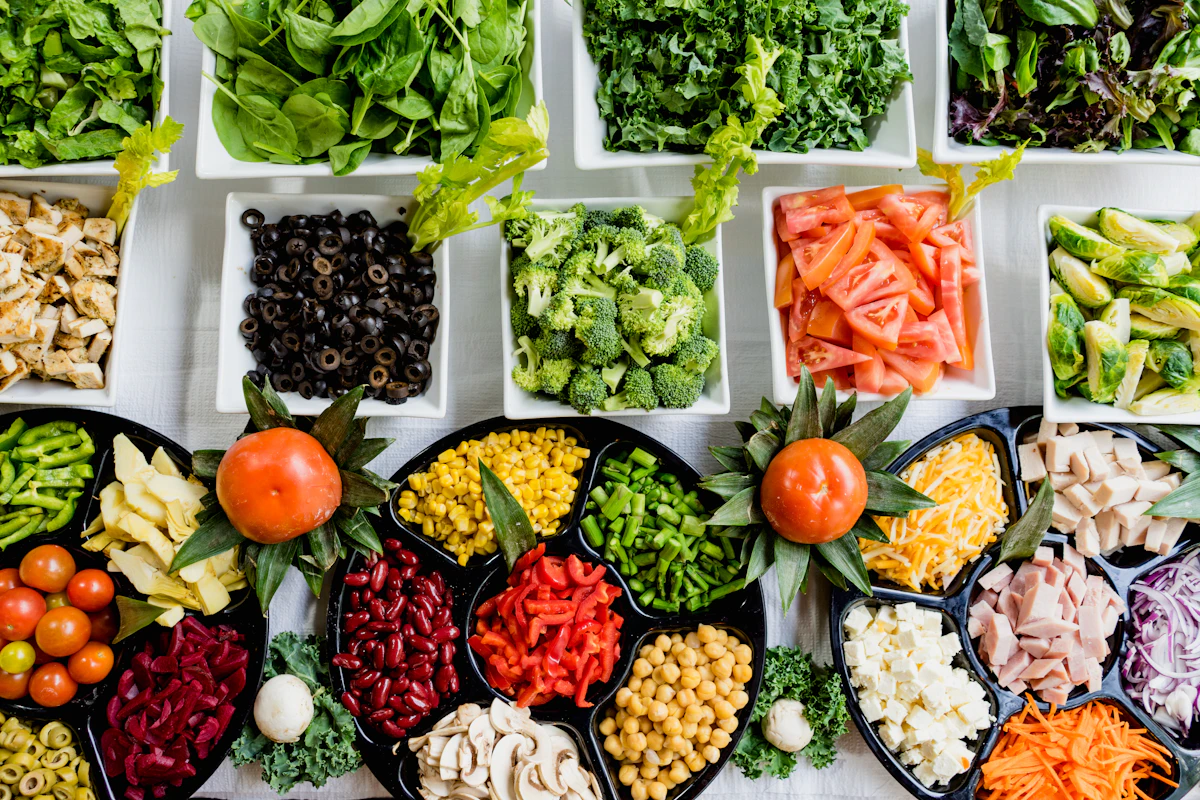
The documentary’s strongest continuing value is its system-wide view: food waste is shaped by connected decisions, and prevention works best when producers, retailers, institutions and households all participate.
For a thoughtful viewing or classroom discussion, separate the documentary’s period-specific estimates from its broader questions. Compare historical claims with current, authoritative local guidance and recent food-waste research.
The source archive describes a feature-length edition and an educational adaptation intended for classroom use. It also records subtitled versions in several languages.
The embedded player and historical purchasing links have not been carried forward. For current editorial information about Taste The Waste, contact info@tastethewaste.com-html.com.
It is a documentary investigation of edible food discarded across agriculture, distribution, retail and households. It also looks at efforts to prevent waste and value food more carefully.
No. Households are one part of the story. The documentary also considers farming standards, wholesale systems, retail presentation and supply-chain decisions.
No. The film is preserved as archive material, and its numerical claims reflect the evidence and context available during production. Consult recent authoritative sources for current measurements.
The source archive lists the main version at approximately 90 minutes and also references a shorter educational adaptation.
The archive records subtitles in English, German, French, Spanish and Portuguese. Current availability is not guaranteed by this page.
Yes. Useful prompts include where food is rejected, which resources have already been invested, who can prevent the loss and which practices remain relevant today.
The press area provides project background and reference material.